ATEX certification explained: the complete guide to compliance and safety in explosive atmospheres
What is ATEX and what does the acronym stand for?
The acronym ATEX stands for “ATmosphères EXplosibles” (explosive atmospheres), which is the ATEX full form used in European legislation to describe hazardous explosive environments. The term encompasses the requirements applicable to equipment and environments where there is a risk of explosion. Understanding what ATEX entails is essential for industrial purchasing managers and maintenance technicians, as it directly influences the selection of machinery, electrical components, and protection systems.
The regulatory framework originated within the European Union in response to major industrial incidents. Its purpose is to harmonize safety criteria and reduce operational risks. ATEX categorization defines the required level of protection based on the likelihood of explosive atmospheres being present. This approach introduces a precise classification system, enabling more consistent and auditable technical decisions.
The ATEX directive framework is structured around two complementary legal instruments. On one hand, Directive 2014/34/EU governs equipment and protective systems intended for use in potentially explosive atmospheres, establishing requirements for design, certification, and marking.
On the other hand, Directive 1999/92/EC focuses on worker protection, addressing risk assessment, area classification, and organizational measures. While one directive targets the product, the other addresses the operational environment. Together, they form a comprehensive safety framework critical in sectors such as petrochemical, pharmaceutical, and fuel logistics.

Why ATEX certification matters for industrial equipment
In high-risk industrial environments, the presence of flammable gases, vapors, or combustible dusts introduces a constant threat of ignition. This is where ATEX certification becomes indispensable. It is not merely a regulatory formality but a structured assurance that equipment is engineered to operate safely under hazardous conditions, backed by a documented ATEX approval process and clear ATEX certificates that specify the permitted operating conditions.
Ensuring worker safety in explosive atmospheres
Industrial maintenance managers and plant engineers must prioritize risk mitigation at every operational level. Equipment with explosion-proof certification is designed to prevent ignition sources through thermal control, intrinsic safety, or containment principles.
Even minor failures — an electrical arc, a hot surface, or mechanical friction — can escalate rapidly in volatile environments. Equipment that meets ATEX standards undergoes rigorous validation to ensure reliability. The result is reduced incident probability, improved operational continuity, and enhanced workforce protection.
Legal compliance and access to European and global markets
From a compliance perspective, ATEX approval is essential for equipment used within the European Economic Area. It demonstrates adherence to harmonized directives governing both product safety and workplace conditions.
Beyond Europe, many international markets align with these standards, making hazardous area certification a strategic asset. It simplifies procurement, facilitates audits, and ensures installations meet strict regulatory expectations without costly retrofits or delays.
Understanding ATEX marking and equipment classification
Accurate interpretation of ATEX markings is essential to ensure that industrial equipment is suitable for hazardous environments. This ATEX marking guide is not about decorative labels; it explains how these condensed technical identifiers define where and how equipment can be safely operated. ATEX marking is a technical coding system used to verify whether equipment is suitable for operation in potentially explosive atmospheres, providing a standardized link between the equipment, its operating environment, and the required safety level.
This marking is typically divided into two sections. The first defines the general classification under Directive 2014/34/EU, indicating the equipment group (I for mining, II for surface industries), category, and type of atmosphere (gas “G” or dust “D”). For instance, “II 2G” refers to surface equipment designed for a high level of protection in gas environments.
The second section specifies technical characteristics, including the protection method, such as “Ex d” or “Ex h”, gas group, and temperature class. These parameters explain how the equipment prevents ignition through containment, thermal limitation, or design integrity and are a core part of the broader Ex certification framework used for explosion-protected equipment.
A typical example like “II 2GD Ex h IIB” can be interpreted as follows:
- II: Group II equipment for surface use, excluding mining applications.
- 2: Category 2 equipment, intended to provide a high level of protection.
- GD: Suitable for both gas atmospheres (G) and combustible dust atmospheres (D).
- Ex: Indicates compliance with requirements for use in explosive atmospheres.
- h: Refers to constructional safety protection for non-electrical equipment.
- IIB: Identifies the gas group for which the equipment is suitable, with an intermediate protection requirement.
Correct interpretation ensures compliance, minimizes operational risk, and supports accurate equipment selection in hazardous industrial settings. Equipment classification aligns directly with hazard zoning, where higher-risk zones require more stringent protection levels. Explosion-protected equipment is therefore essential.
The “Ex h” designation, commonly applied to non-electrical equipment, indicates protection achieved through constructional safety. It ensures that potential ignition sources are controlled by design rather than active systems. Selecting properly ATEX-compliant equipment ensures regulatory adherence, operational integrity, and long-term asset reliability in volatile environments.
The ATEX approval process step by step
Achieving ATEX approval for industrial equipment is a structured, multi-phase process that validates its suitability for operation in explosive atmospheres. It is rigorous by design, ensuring risk mitigation at both engineering and production levels and resulting in an official ATEX certificate that documents the equipment’s conformity.
The process begins with a comprehensive risk assessment and classification of the intended operating environment, determining the applicable category and protection level. The manufacturer then develops a design aligned with ATEX requirements, incorporating protection concepts such as flameproof enclosures or intrinsic safety.
Once finalized, technical documentation is compiled. This dossier includes drawings, calculations, material specifications, and hazard analyses, forming the backbone of the certification process.
Depending on the equipment category, prototype testing may be required to validate performance under simulated hazardous conditions and ensure compliance with harmonized standards. Successful evaluation leads to the issuance of an ATEX certificate, authorizing market placement and serving as auditable evidence of ATEX certification.
Notified bodies play a pivotal role in the ATEX compliance framework. These independent, accredited organizations assess whether equipment meets essential health and safety requirements defined by European directives.
For higher-risk categories, they conduct EU-type examinations and audit manufacturing processes. Their involvement ensures impartial verification and provides confidence that the equipment has undergone rigorous technical assessment before deployment.

ATEX certified equipment for fluid handling and lubrication
In fluid handling and lubrication systems, operational reliability must coexist with strict safety controls. The presence of volatile liquids, combustible vapors, and fine particulates creates an environment where ignition risks are ever-present. This is why ATEX certified equipment is critical, ensuring that pumps, dispensers, and transfer systems operate without becoming ignition sources.
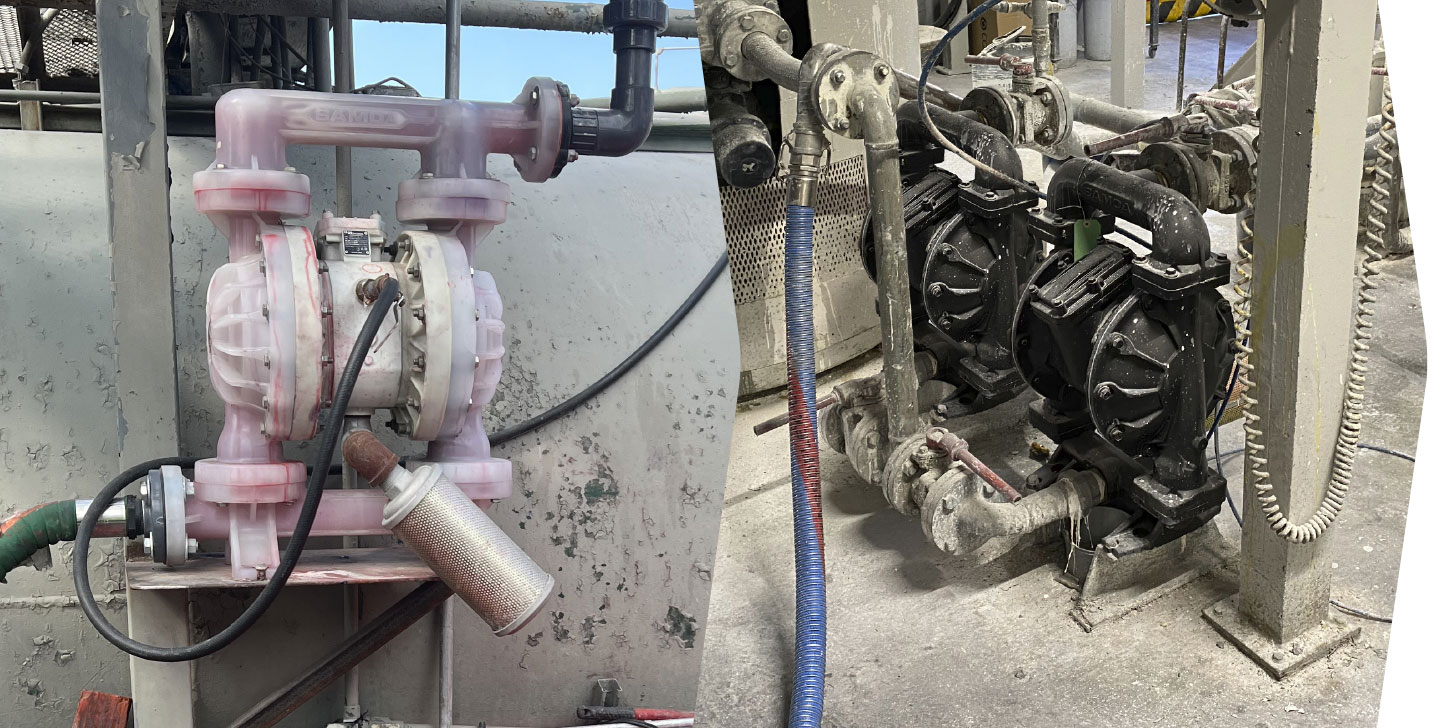
Pumps and dispensing units frequently handle hydrocarbons, solvents, and other flammable media under varying pressures and temperatures. Even minor design deficiencies — such as inadequate sealing or uncontrolled friction — can generate heat or sparks. Equipment with explosion-proof certification mitigates these risks through controlled surface temperatures, anti-static materials, and robust mechanical design. For hazardous transfer applications, SAMOA industrial pumps for fluid transfer provide ATEX certified options that align with these safety requirements.
For maintenance managers, specifying hazardous area compliant systems goes beyond regulatory compliance. It ensures uninterrupted operation, reduces downtime, and protects both personnel and assets in high-risk zones.
Manufacturers such as SAMOA offer a comprehensive portfolio of ATEX certified pumps and complete fluid handling solutions for demanding applications, including diaphragm and piston pumps designed for durability and intrinsic safety. These systems integrate advanced protection concepts, enabling safe operation in classified zones without compromising performance.
Investing in certified explosion-safe equipment enhances process reliability while aligning with stringent international safety standards.
Choosing a supplier with proven expertise in hazardous area equipment is as important as selecting the right certification. SAMOA's manufacturing expertise and quality standards provide additional assurance that ATEX certified products are engineered, tested, and documented to meet the most demanding industrial requirements.